What Is a Credit Score in the US and Why It Matters

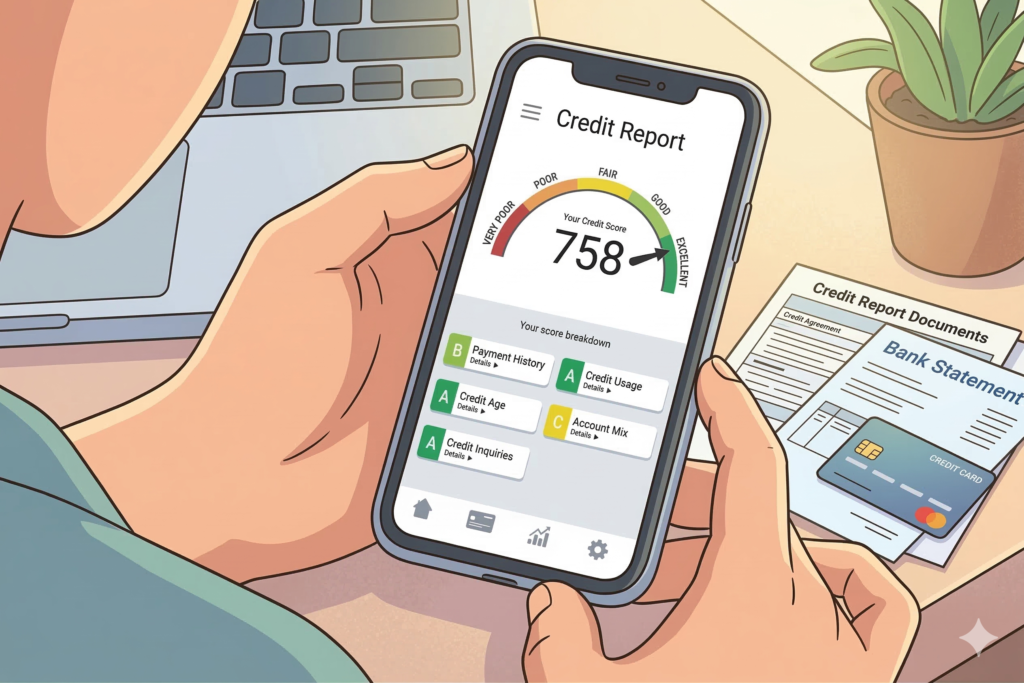
Imagine applying for a credit card, a car loan, or even an apartment — and being rejected instantly.
For millions of Americans, this happens because of one number: their credit score.
Your credit score is a quick way for lenders to decide whether they trust you to borrow money. A higher score can mean lower interest rates, easier approvals, and better financial opportunities. A low score can make borrowing expensive — or impossible.
Understanding how credit scores work is one of the most important steps toward building financial stability in the United States.
A credit score is a number that represents how reliable you are when borrowing money.
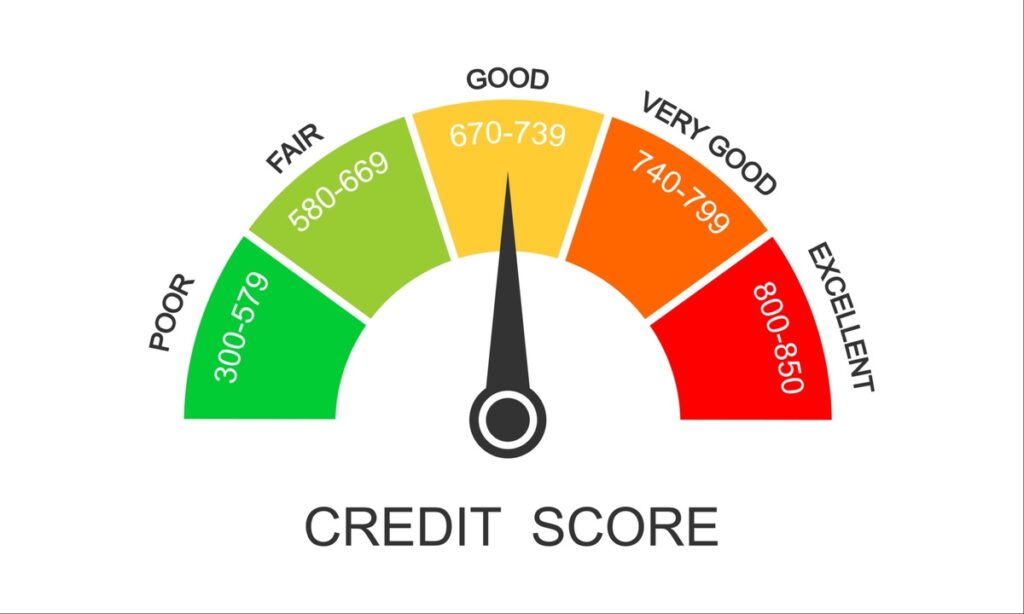
In the United States, credit scores typically range from 300 to 850.
The higher your score, the more trustworthy you appear to lenders.
Credit scores are calculated using information from your credit report, which includes:
Companies like FICO and VantageScore analyze this data and generate your score.
Here is a general breakdown used by most lenders:
| Score Range | Rating | What It Means |
|---|---|---|
| 300–579 | Poor | Difficult to get approved for loans |
| 580–669 | Fair | Higher interest rates |
| 670–739 | Good | Average approval chances |
| 740–799 | Very Good | Better interest rates |
| 800–850 | Excellent | Best loan terms available |
Many financial experts recommend aiming for at least 700.
Let’s say John, a 30-year-old living in Texas, wants to buy a car.
He applies for a $25,000 auto loan.
Two possible scenarios:
Scenario 1: John has a credit score of 760
Scenario 2: John has a credit score of 620
Because of his lower credit score, John would pay more than $5,000 extra in interest.
That’s why credit scores matter.
Five main factors determine your credit score:
1. Payment History (35%)
Paying your bills on time is the most important factor.
2. Credit Utilization (30%)
This is how much credit you’re using compared to your credit limit. Experts recommend keeping it below 30%.
3. Length of Credit History (15%)
Older accounts help improve your score.
4. Credit Mix (10%)
Having different types of credit (cards, loans) can help.
5. New Credit Applications (10%)
Applying for many loans in a short period can lower your score.
A strong credit score can bring several advantages:
✔ Lower interest rates on loans
✔ Easier approval for credit cards
✔ Better chances of renting an apartment
✔ Lower insurance premiums in some states
✔ Higher credit limits
In short, a good credit score saves you money and opens financial opportunities.
Credit scores are useful, but they also have some downsides.
❌ They don’t always reflect your full financial situation
❌ Mistakes on credit reports can lower your score
❌ Building credit takes time
❌ People new to the US may have no credit history
Because of these factors, many consumers feel the credit system isn’t always fair.
If your score is low, here are some practical steps:
Improving your score can take months or even years, but consistency makes a big difference.
Your credit score is one of the most important financial numbers in the United States.
It affects your ability to borrow money, rent homes, and even access better financial opportunities.
The good news is that credit scores are not permanent. With responsible habits and time, anyone can build a stronger score and unlock better financial options.